

In today’s competitive market, your brand’s visual identity is more than just a logo – it’s the face of your business and a powerful tool for connecting with your audience. A well-crafted visual identity reflects your brand’s values, communicates your message effectively, and builds recognition and trust over time. Whether you’re launching a new brand or refining an existing one, understanding the key elements of a strong visual identity can help you create a lasting impression.
What is a Visual Identity?
Your visual identity encompasses all the visual elements that represent your brand, including your logo, colour palette, typography, imagery, and overall design style. These elements work together to create a cohesive look that makes your brand instantly recognisable. A strong visual identity ensures consistency across all platforms – whether it’s your website, social media, packaging, or printed materials.
Aligning Visual Identity with Brand Values
Every brand has a story, a mission, and a set of values that define it. Your visual identity should align with these core principles to create an authentic brand image. For example:

A sustainable brand might use earthy tones, organic textures, and minimalist designs to reflect its eco-friendly values.
A high-end luxury brand may incorporate elegant typography, sophisticated colours, and premium finishes in its print and digital materials.
A fun, playful brand could use bright, bold colours and creative typography to convey energy and excitement.
When your visual identity aligns with your brand’s values, it strengthens your messaging and makes it easier for customers to connect with and trust your brand.
Choosing the Right Design Elements
To craft a compelling visual identity, consider these key design components:
Logo Design
Your logo is the foundation of your visual identity. It should be simple, memorable, and versatile enough to work across different platforms and materials.
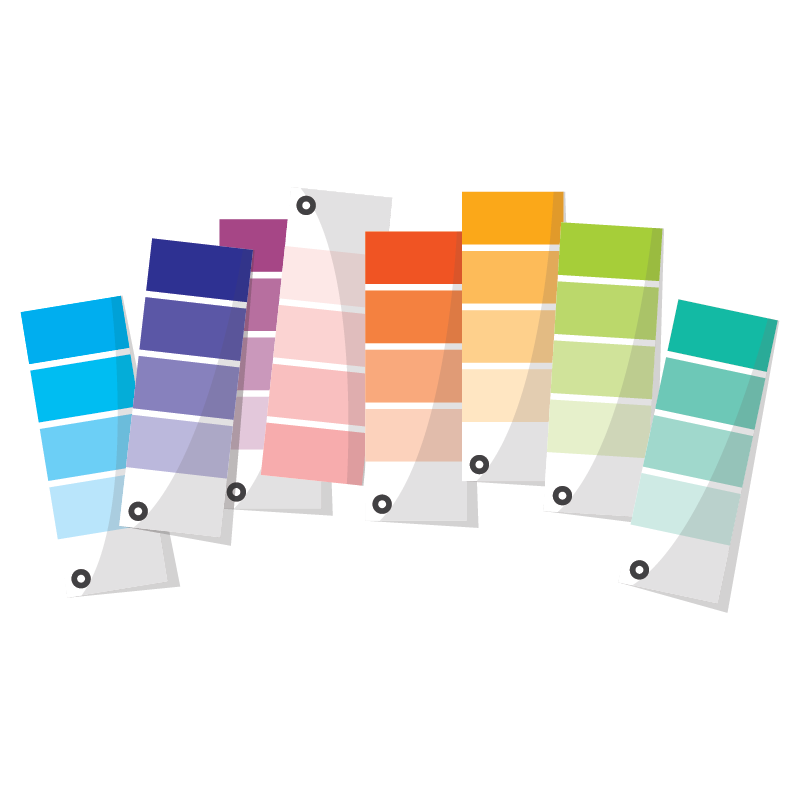
Colour Palette
Colours evoke emotions and play a significant role in how your brand is perceived. For example:
- Blue conveys trust and professionalism.
- Red evokes passion and excitement.
- Green is often associated with nature and sustainability.
Choosing a consistent colour palette helps reinforce your brand personality.
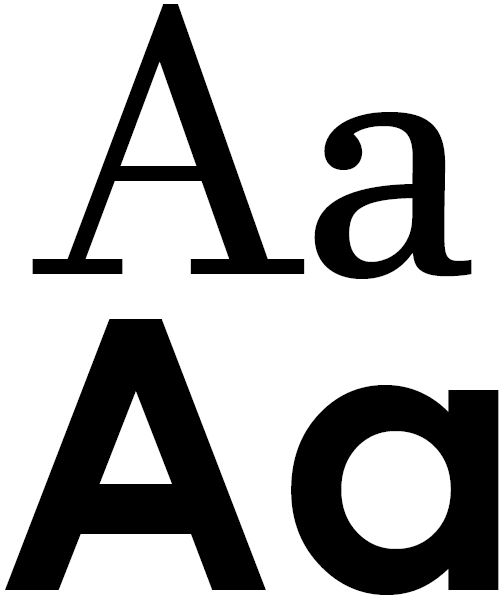
Typography
Fonts communicate more than just words – they convey a tone. Serif fonts (like Times New Roman) feel traditional and formal, while sans-serif fonts (like Helvetica) appear modern and clean. The right typography should enhance readability and complement your brand’s personality.
Imagery & Graphics
The photos, icons, and illustrations you use should align with your brand identity. Whether it’s professional product photography, lifestyle images, or hand-drawn illustrations, your visual content should reinforce your brand message.
Maintaining Consistency Across All Platforms
A strong visual identity should be consistent across all marketing materials, from digital to print. This includes your website, business cards, social media, signage, and packaging. Establishing brand guidelines can help ensure every piece of content stays aligned with your brand’s aesthetic.
Evolving Your Visual Identity Over Time
Brands grow and evolve, and so should their visual identity. While maintaining consistency is key, occasional updates or rebranding efforts can help keep your brand fresh and relevant. Just ensure any changes stay true to your brand’s core values and don’t alienate your existing audience.
We’re ready to bring your ideas to life
Whether you’re starting from scratch or need expert advice to refine your vision, our SignoDraw team works closely with you to create stunning, high-quality designs tailored to your brand identity. From logos to typography and imagery, they ensure your branding meets your exact specifications, helping you stand out in a competitive market.
FAQs
Why is visual identity important for a brand?
Your visual identity helps create recognition, conveys your brand’s values, and builds trust with your audience. A well-designed visual identity ensures consistency across all platforms and strengthens brand loyalty.
What is the difference between a brand identity and a visual identity?
Brand identity and visual identity are closely related but not the same thing. Brand identity is the complete personality of a brand – it covers the values, mission, voice, tone, and overall experience a customer has with a business. It answers the bigger “who we are” question and defines how a brand wants to be perceived. Visual identity, on the other hand, is one part of brand identity. It focuses on the design elements that visually represent the brand, such as the logo, typography, colours, imagery, and layout style.
Visual identity is what people see when they interact with your brand, while brand identity is what people feel and remember about your business as a whole.
How do I choose the right colours for my brand?
Start by identifying your brand’s personality and values. Research colour psychology and select hues that align with your brand’s message. For example, blue conveys trust, red symbolises energy, and green represents sustainability.
What are the key elements of a strong visual identity?
A strong visual identity includes a well-designed logo, a consistent colour palette, carefully chosen typography, high-quality imagery, and cohesive branding across all materials.
How often should I update my brand’s visual identity?
Your visual identity should remain consistent, but slight refinements may be needed over time. If your brand’s mission or target audience changes, a refresh or rebrand may be necessary.
Can I create a visual identity on my own, or should I hire a professional?
While DIY tools are available, working with a professional designer or agency ensures a polished and cohesive brand identity. Our SignoDraw team can help align your visuals with your brand’s values and industry best practices.
Blogs
Signosaur Pty Ltd parent company is now Truepenny Projects Group Pty Ltd trading as Signosaur.


