

Signage is one of the most powerful tools for brand exposure and customer engagement. However, simply having a sign isn’t enough – it needs to be placed strategically to capture attention and drive action.
Whether you’re guiding customers to your location, promoting products, or reinforcing brand identity, effective signage placement ensures maximum impact. Here’s how to position your signage for the best results.
Understanding the Purpose of Your Signage
Before placing a sign, consider its primary function. Different types of signage serve different purposes, including:

Directional Signage
Guides customers to your business, especially in high-traffic areas or complex locations.

Promotional Signage
Highlights sales, offers, or events to attract potential customers.

Branding Signage
Reinforces your business identity and leaves a lasting impression.

Informational Signage
Provides crucial details such as store hours, safety instructions, or product information.
Prime Locations for Maximum Visibility
Outdoor Signage: Making a Strong First Impression
Outdoor signage plays a crucial role in attracting foot and vehicle traffic. Consider these placement strategies:
- Near Roadways: Large, eye-catching signs positioned along busy roads ensure drivers and pedestrians notice your business.
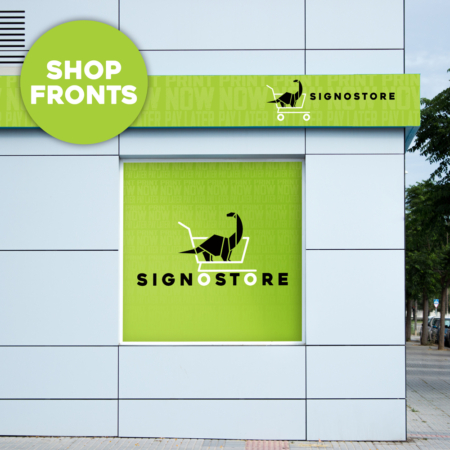
- Above Entrances: A well-placed sign above your store entrance establishes immediate recognition and reinforces branding.
- Footpath Signage: A-frame or standing signs placed outside shop fronts draw in passersby with enticing promotions.
- Billboards & High-Traffic Areas: Investing in signage at busy intersections or shopping centres increases exposure to a broader audience.
Directional Signage: Leading Customers to Your Business
If your business is located off the main road or in a complex environment like a shopping centre or business park, directional signage is essential:
- Wayfinding Signs: Strategically placed along paths, hallways, or parking areas to ensure customers find you easily.
- Car Park Signage: Clear, visible signs guiding visitors to entrances, exits, and designated parking areas improve the customer experience.
- Landmark-Based Signage: Placing signs near recognisable landmarks helps customers associate your business with well-known locations.
- Billboards & High-Traffic Areas: Investing in signage at busy intersections or shopping centres increases exposure to a broader audience.
Indoor Signage: Enhancing Customer Experience
Indoor signage helps customers navigate your store and engage with your offerings:
- Point-of-Sale Displays: Signage near checkout counters can promote impulse purchases or highlight loyalty programs.
- Hanging Signs & Wall Graphics: Well-placed overhead signs or wall graphics reinforce branding and direct customers efficiently.
- Digital Screens & Menu Boards: For restaurants and retail spaces, digital signage makes it easy to update promotions and engage customers.
















Best Practices for Effective Sign Placement
Consider Line of Sight
Your signage should be positioned at eye level or in high-visibility areas where customers naturally look. For outdoor signs, ensure they are unobstructed by trees, poles, or other visual distractions.
Optimise for Lighting and Readability
- Ensure signs are well-lit, especially in low-light conditions, with built-in illumination or strategic placement under external lights.
- Use high-contrast colours and legible fonts to ensure easy readability from a distance.
Leverage High-Traffic Areas
- Identify places where people naturally congregate, such as busy intersections, shopping centres, or event venues.
- Position promotional signage where it can’t be missed, like entry points, waiting areas, or near escalators.
Align with Your Brand Identity
The style, materials, and placement of your signage should reflect your brand’s personality. For luxury brands, premium signage materials and sophisticated placement elevate perceived value. Meanwhile, bold, colourful signage suits brands targeting energetic, youthful audiences.
FAQs
Why is signage placement important for my business?
Proper signage placement is crucial for maximising visibility and ensuring your message reaches the right audience. Well-placed signage can attract attention, direct foot traffic to your location, and increase brand exposure, ultimately driving sales and customer engagement.
How can I choose the best locations for my signage?
The best locations for your signage depend on factors like foot traffic, visibility from key areas, and the nature of your business. Place signs where they’ll be easily visible from a distance or common pathways, such as near entrances, high-traffic areas, and focal points within a building or outdoor space.
What are the best practices for positioning outdoor signage?
Outdoor signage should be positioned at eye level for maximum visibility. Consider factors like weather conditions, surrounding obstacles, and local traffic patterns. Ensuring your signage is visible day and night (through proper lighting) will also enhance its effectiveness.
How do I ensure my signage stands out among competitors?
To ensure your signage stands out, use bold colours, clear typography, and eye-catching graphics. Placement is equally important – position your signage where it will be most noticeable and avoid competing with nearby signs. Unique and creative designs that align with your brand identity can also make your signage more memorable.
What role does size play in effective signage placement?
Size plays a significant role in ensuring your signage is visible and legible. The size of the sign should be appropriate for the distance from which it will be viewed. Larger signs are typically needed for high-traffic or longer-viewing distances, while smaller signs work well for closer or more detailed information.
Blogs
Signosaur Pty Ltd parent company is now Truepenny Projects Group Pty Ltd trading as Signosaur.


