
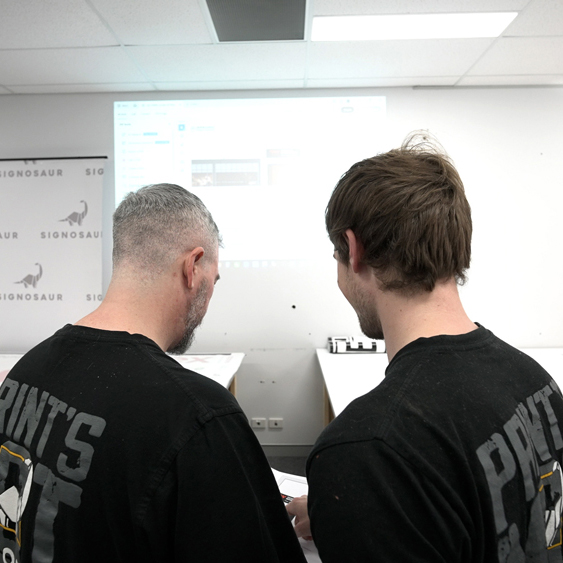
When you see a striking shop front sign, a bold event display, or a perfectly wrapped vehicle, you’re witnessing more than just a finished product. Behind the scenes, there’s a detailed process that transforms an idea into a powerful branding tool. Every sign tells a story – and that story starts long before installation day.
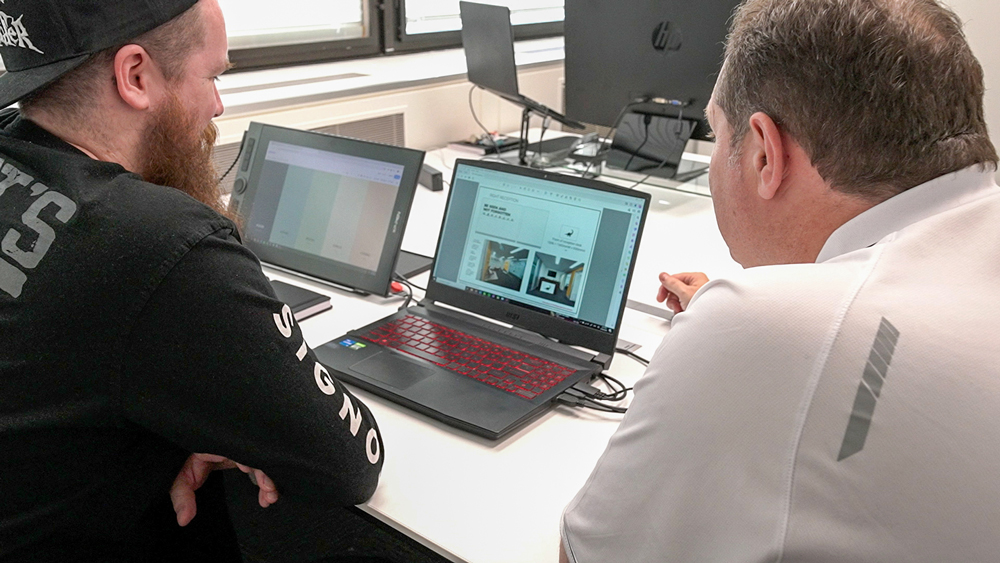
From Vision to Design
The journey begins with understanding your brand. What do you want your signage to say about your business? Our design team takes these insights and creates concepts that reflect your brand’s personality, using the right colours, fonts, and visuals to capture attention and leave an impression.
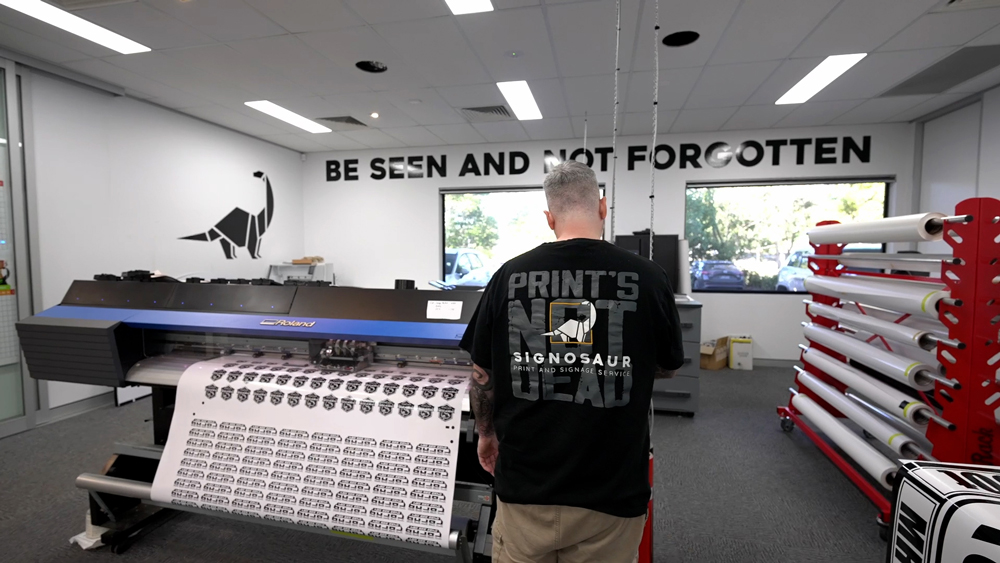
From Design to Production
Once approved, the designs move into production. This is where precision and technology come together – high-quality printing, durable materials, and expert finishing ensure the signage is not only visually striking but built to last. Whether it’s acrylic, vinyl, or large-format panels, the right material makes all the difference.

From Production to Installation
Installation is where your vision comes to life. Skilled installers carefully position, secure, and finish each piece so it makes the right impact, whether it’s an illuminated reception sign, a nationwide retail rollout, or a single shop front update. The goal: signage that looks seamless and works hard for your brand.
Why the Process Matters
Each stage – design, production, installation – plays a vital role in ensuring your signage isn’t just seen, but remembered. When the process is done right, you don’t just get a sign; you get a branding asset that elevates your presence and attracts customers.
FAQs
What is the process of creating custom signage?
The process of creating signage includes design, production, and installation. Our SignoDraw team craft concepts that reflect your brand, our production team use high-quality materials to ensure durability, and our installers carefully fit the signage so it makes a strong and lasting impression.
How long does it take to design and install signage?
The timeline depends on the complexity of the project. Simple signs can be completed in under a day, while large-scale projects with custom fabrication and full store fit-outs can take longer. Timelines also need to factor in client approvals, material preparation, and professional installation.
What materials are commonly used in signage?
Common signage materials include acrylic, aluminium composite panels (ACP), vinyl, corflute, PVC, and fabric. The right choice depends on your needs – from long-term durability for outdoor signs to flexible, lightweight options for temporary promotions.
Why is professional installation important for signage?
Professional installation ensures your signage is secure, level, and visually impactful. Poorly installed signage can look unprofessional, wear out faster, or even cause safety risks. Skilled installers make sure your signs not only look great but last longer.
How do I make sure my signage stands out?
To make signage stand out, focus on bold design, clear messaging, and quality finishes. Elements like lighting, 3D lettering, or creative shapes can add impact. Most importantly, your signage should align with your brand identity to create recognition and trust. At Signosaur, we offer a range of signage that can take your business to the next level, so please reach out to our team to discuss your vision.
Blogs
Signosaur Pty Ltd parent company is now Truepenny Projects Group Pty Ltd trading as Signosaur.


