

In today’s fast-paced world, digital signage is revolutionising the way businesses communicate with their audiences. Gone are the days of static posters and outdated notices – modern digital signage enables dynamic, real-time messaging that captivates and engages viewers like never before. From interactive displays to cloud-based content management, let’s explore the latest advancements in digital signage technology and how businesses can harness these innovations to stay ahead of the competition.
The Evolution of Digital Signage
Digital signage has come a long way from simple electronic billboards. Today’s solutions offer high-definition displays, real-time content updates, and interactive capabilities that provide a more engaging experience for customers. These innovations allow businesses to communicate targeted messages efficiently while adapting to changing consumer needs.
Key Advancements in Digital Signage Technology
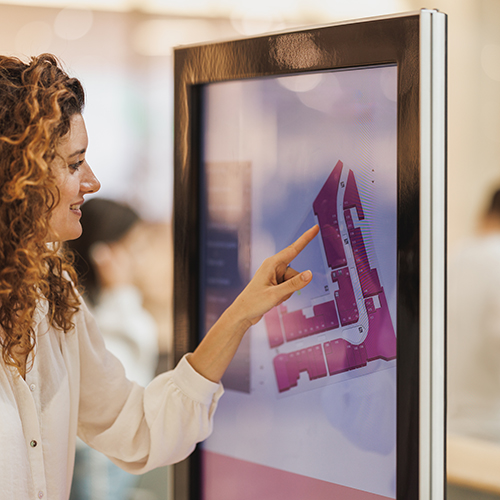
1. Interactive and Touchscreen Displays
Modern digital signage isn’t just about displaying content – it’s about interaction. Touchscreen kiosks, wayfinding screens, and self-service stations allow customers to engage directly with brands. Whether navigating a store, checking product details, or making a purchase, interactive signage enhances user experience and increases engagement.
2. Cloud-Based Content Management
With cloud-based solutions, businesses can remotely update and manage digital signage content across multiple locations in real time. This is particularly useful for franchises, retail chains, and corporate environments where maintaining consistent branding and up-to-date messaging is crucial.
3. Real-Time Updates and Integration
Digital signage can integrate with live data feeds, social media platforms, and scheduling systems to provide real-time updates. Restaurants use it to display live menu changes, transportation hubs update arrival and departure information, and retailers showcase flash sales based on stock levels and demand.

4. High-Resolution and Energy-Efficient Displays
Advancements in display technology have led to ultra-high-definition (UHD) screens, OLED panels, and energy-efficient LED displays that provide sharper images, richer colours, and reduced power consumption. These improvements ensure visually stunning content while lowering operational costs.
5. Augmented Reality (AR) and Virtual Reality (VR) Integration
Innovative brands are exploring AR and VR to create immersive customer experiences. Digital signage equipped with AR technology can allow users to preview products in real-world settings, while VR-based kiosks can provide virtual store tours or interactive brand storytelling.
How Businesses Can Leverage Digital Signage
Retail and Shopping Centres
Retailers use digital signage for in-store promotions, product recommendations, and wayfinding. Interactive displays help customers find what they need.
Corporate Communication
Companies utilise digital signage for internal communication, employee engagement, and real-time updates on company news, KPIs, or event schedules.
Hospitality and Tourism
Hotels, resorts, and travel hubs use digital signage for check-in assistance, local event promotions, and guest information displays, creating a seamless customer experience.
Healthcare and Education
Hospitals and universities leverage digital signage for navigation, appointment scheduling, and real-time alerts, improving operational efficiency and visitor experience.

The Future of Digital Signage
The future of digital signage lies in seamless integration with emerging technologies. As businesses continue to adopt smarter, more interactive signage solutions, the ability to engage audiences in meaningful ways will only grow.
FAQs
What are the main advantages of using digital signage for my business?
Digital signage offers real-time content updates, improved customer engagement, and the ability to deliver dynamic, eye-catching visuals. It allows businesses to display targeted messages, promotions, and information to attract and inform customers, enhancing both the in-store experience and brand visibility.
How does interactive digital signage improve customer experience?
Interactive digital signage allows customers to engage directly with your content, whether through touchscreens for navigation, product selection, or accessing information. This level of interaction improves customer experience, encourages longer engagement, and can even drive sales by providing personalised recommendations or offers.
What are the key trends shaping the future of digital signage?
The future of digital signage is being shaped by advancements in cloud-based content management, real-time data integration, and increasingly sophisticated display technology. Trends include personalised content powered by analytics, integration with mobile apps for customer interaction, and high-resolution displays that create immersive environments.
How can digital signage help improve brand messaging?
Digital signage offers flexibility and creativity, allowing you to easily update and tailor messaging across various locations in real-time. It helps ensure your brand’s message remains consistent and timely while offering opportunities to use visuals, video, and animations to capture attention and reinforce brand identity.
What types of businesses can benefit from digital signage?
Digital signage is versatile and can be beneficial for a wide range of businesses. Retail stores, hospitality, healthcare facilities, restaurants, and corporate offices all use digital signage to communicate with customers or employees. It’s an excellent solution for businesses that want to streamline communication, enhance customer experience, and drive engagement.
Blogs
Signosaur Pty Ltd parent company is now Truepenny Projects Group Pty Ltd trading as Signosaur.


