
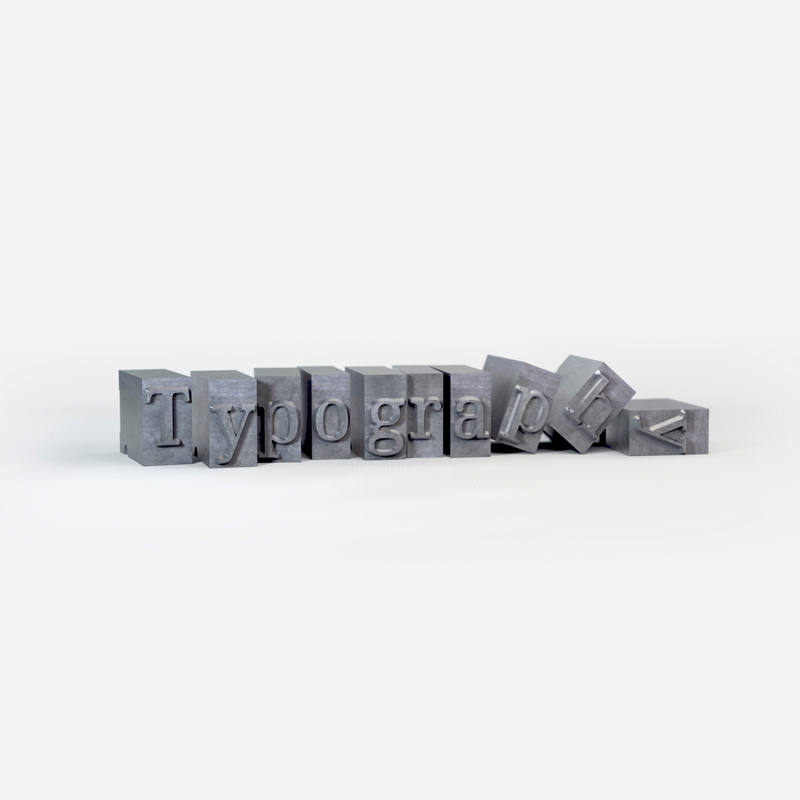
Typography is a fundamental element of signage design, influencing not just readability but also the overall perception of a brand. The choice of font, size, and style can determine how effectively your message is communicated and how your brand is perceived. By understanding best practices and experimenting with typography techniques, you can create signage that captures attention and leaves a lasting impression.
Why Typography Matters in Signage
Unlike digital media, signage is often viewed quickly and from a distance. This means clarity and legibility must be prioritised. The right typography ensures your message is conveyed instantly, whether it’s a shop front sign, a wayfinding system, or a promotional banner.
Choosing the Right Font
Not all fonts are created equal, and some can dramatically affect how your signage is interpreted. Certain typefaces have strong associations that are hard to shake, so choosing wisely is essential.
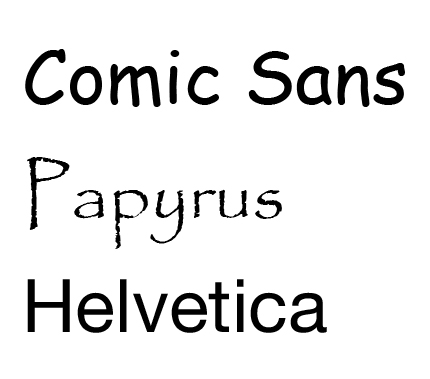
Comic Sans
Often associated with amateur design or child-friendly content, this font rarely works for professional signage.
Papyrus
Instantly evokes an outdated, ‘ancient’ aesthetic that may not be suitable for modern businesses.
Helvetica
A clean and timeless sans serif font that works well in professional signage.
Serif vs. Sans Serif: Best Practices
Understanding the difference between serif and sans serif fonts can help you make better design choices:
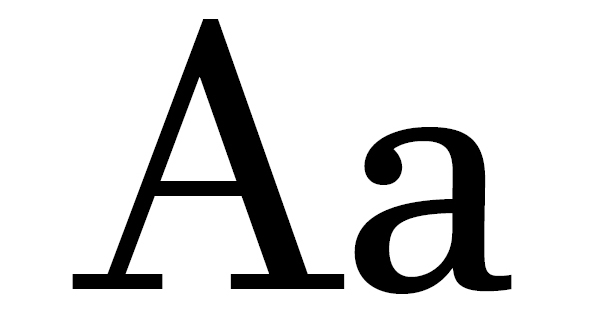
Serif Fonts
These fonts have small decorative strokes at the ends of letters (e.g. Times New Roman, Garamond). These fonts are often associated with tradition, sophistication, and authority. While they work well in print, they may not always be ideal for signage, especially from a distance.
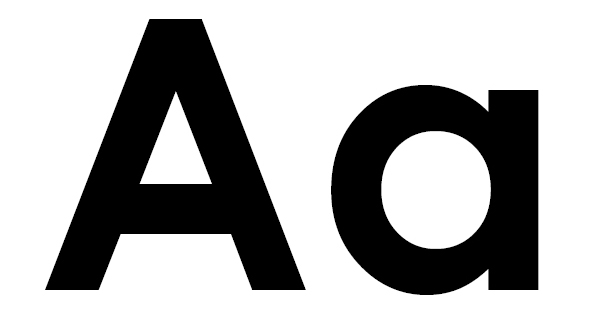
San Serif Fonts
These fonts lack strokes, making them cleaner and easier to read from afar (e.g. Arial, Helvetica). These fonts are generally preferred for modern signage because they offer clarity and versatility.
For maximum legibility in signage, sans serif fonts are usually the best choice, especially for large displays and wayfinding signs.
Font Size & Readability
The effectiveness of signage is often determined by how quickly it can be read. Key considerations include:
- Viewing Distance – The further away the sign is intended to be read from, the larger the font should be.
- Contrast – High contrast between the text and background improves legibility. Black on white or white on dark colours are classic choices.
- Letter Spacing (Kerning & Tracking) – Letters that are too close together or too far apart can impact readability. Proper spacing ensures clarity.
Typography in Branding & Mood
Typography also plays a significant role in conveying brand personality and setting the right tone. A luxury brand may opt for an elegant serif font, while a tech company may prefer a sleek and modern sans serif typeface. The style of typography should align with the brand’s identity and the message it wants to convey.

Bringing It All Together
Effective typography isn’t just about aesthetics; it’s about communication. At Signosaur, we understand the importance of typography in signage design. Our SignoDraw Artwork Services provide expert typography and design support to ensure your signage is not only visually appealing but also functional and brand-aligned. Whether you need a clean, modern look or a classic, sophisticated style, we can help craft the perfect typography solution for your signage.
FAQs
Why is typography important in signage design?
Typography plays a crucial role in readability, brand perception, and the overall effectiveness of signage. The right font, size, and spacing ensure clear communication and help reinforce brand identity.
What’s the difference between serif and sans-serif fonts in signage?
Serif fonts have small decorative strokes, giving a traditional or formal feel, while sans-serif fonts have clean, modern lines that enhance readability, especially from a distance. Sans-serif fonts are often preferred for signage due to their clarity.
Which fonts should I avoid using on signage?
Fonts like Comic Sans and Papyrus are often associated with amateur design and may not convey professionalism. Overly decorative or script fonts can also reduce readability, especially for large-format or outdoor signs.
How do font size and spacing impact signage readability?
Larger fonts improve visibility, especially from a distance, while proper spacing (kerning and leading) prevents text from looking cramped or hard to read. Contrast between text and background also plays a key role in legibility.
Can Signosaur help with typography selection for my signage?
Absolutely! Through our SignoDraw Artwork Services, we can guide you in choosing the right typography for maximum impact, ensuring your signage is both visually appealing and easy to read.
Blogs
Signosaur Pty Ltd parent company is now Truepenny Projects Group Pty Ltd trading as Signosaur.


