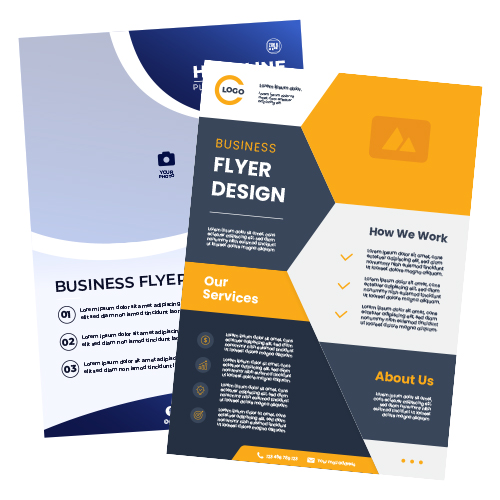
In today’s fast-paced world, time is of the essence, especially when it comes to managing your marketing materials. Whether you’re designing business cards, brochures, flyers, or posters, maintaining brand consistency while producing high-quality printed materials can be a challenge.
That’s where print templates come into play. By incorporating pre-designed templates into your workflow, you can save valuable time, ensure consistency, and reduce the potential for errors – all while still allowing room for creativity and innovation. Let’s explore how embracing print templates can help streamline your design process and elevate your brand’s professional image.
Time-Saving Benefits of Print Templates
One of the biggest advantages of using print templates is the time it saves. When you use pre-designed layouts, you eliminate the need to start from scratch with each new project. Instead of figuring out where to place your logo, text, and imagery every time you create a new document, you can simply plug your content into an existing template that already follows your brand guidelines.
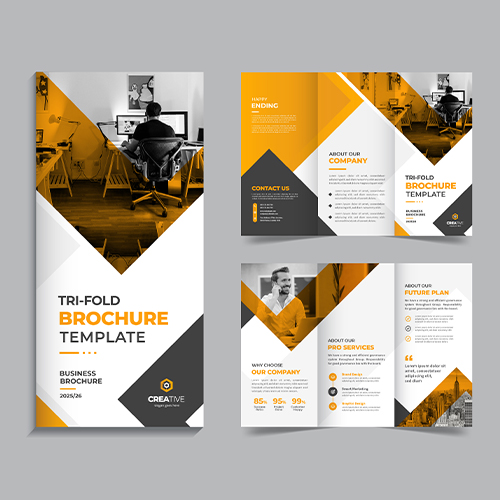
This is particularly beneficial for businesses that need to create a variety of materials quickly and consistently, such as marketing teams, agencies, or organisations that frequently produce promotional content. With templates, you can focus more on fine-tuning the details rather than redoing the foundational design work.
Consistency Across Your Print Materials
Brand consistency is key when building a professional and recognisable image. Using templates helps you maintain this consistency across all your print materials, from business cards to brochures. Templates ensure that fonts, colours, logos, and other design elements are uniformly applied, reducing the risk of deviating from your established brand guidelines.
This is especially helpful when multiple team members are working on different print materials. With templates in place, everyone can follow the same design structure, making it easier to collaborate and ensuring all print collateral maintains a cohesive look and feel.
Reducing Errors and Avoiding Repetitive Tasks
Another key benefit of using print templates is they help minimise the potential for mistakes. For instance, templates with preset margins, text sizes, and image placeholders ensure your content fits perfectly within the design specifications. This eliminates the need for constant adjustments, such as resizing text or repositioning images, which can lead to inconsistencies or alignment problems.
Additionally, by automating the layout process with templates, you avoid the repetitive task of redesigning documents for every project. This allows you to focus on more creative and high-impact tasks, like crafting compelling messaging or refining your marketing strategy.
Empowering Creativity & Innovation
While templates are designed to standardise certain aspects of your print materials, they still leave plenty of room for creativity. Templates allow you to experiment with content, colour schemes, and imagery, while the structure of the design remains intact. You can easily swap out images, adjust text, or add new design elements, all within the boundaries of a layout that has already been optimised for consistency and readability.
In this way, templates provide a framework that empowers you to push the boundaries of creativity without sacrificing the integrity of your design. The key is balancing your creativity with the structure the template provides, so you can create visually appealing materials that stay true to your brand.

Elevating Your Brand’s Professional Image
Using print templates helps you deliver professional, polished materials every time. With consistent design and minimised errors, your print materials will convey a level of professionalism that enhances your brand’s credibility.
Whether you’re sending out business cards, creating brochures for a product launch, or designing a flyer for an event, templates ensure your materials look well-organised, cohesive, and aligned with your brand’s visual identity.
By embracing print templates, you not only streamline your workflow but also elevate the quality of your printed materials, strengthening your business’s reputation and leaving a lasting impression on your audience.


FAQs
What are print templates, and how do they help with design?
Print templates are pre-designed layouts that allow you to insert your content – such as text, logos, and images – into a structured design. They help streamline the design process by ensuring consistency and reducing the time spent on creating new layouts for each project. Templates provide a consistent format for your branding elements, which is especially helpful for producing a variety of materials.
How do print templates ensure brand consistency?
Print templates include predefined design elements like fonts, colours, and logo placement that follow your brand guidelines. This ensures all your print materials, whether business cards, brochures, or posters, maintain a cohesive look, reinforcing your brand identity and making it easier for customers to recognise your business.
What types of print materials can I create using templates?
You can use print templates for a wide variety of materials, including business cards, brochures, flyers, posters, newsletters, invitations, and more. Templates can be made in various formats to suit different print materials, making it easy to create a professional-looking design for any project.
How do templates save time in the design process?
Templates save time by providing a pre-set structure for your designs. Instead of starting from scratch each time, you can simply insert your content into the template, which automatically aligns with your brand guidelines. This reduces the time spent on formatting, resizing, and reworking the design, allowing you to focus on other aspects of your project.
Blogs
Signosaur Pty Ltd parent company is now Truepenny Projects Group Pty Ltd trading as Signosaur.


